Current Exhibitions
Cornelis Botke: Painter of the Western Scene
On view March 14, 2026, to July 12, 2026
Exhibition sponsored by

Santa Paula artist Cornelis Botke (1887-1954) is best known as a master etcher and as a supporting figure in the career of his wife, artist Jessie Arms Botke (1883-1971). His etchings earned international acclaim and entered the collections of the California State Library, the Library of Congress, and the Smithsonian Institution. Yet from childhood, Cornelis’ true ambition was to be a painter.
Botke was born in Leeuwarden, Holland, in 1887. Orphaned at a young age, he was raised and educated in a Mennonite orphanage in Haarlem. Although he longed to pursue painting, his guardians worried about his livelihood and enrolled him instead at the Haarlem School of Applied Art, where students trained for professional trades such as architectural drawing, engraving, and metalwork.
In 1906, Botke emigrated to the United States, joining his cousin’s architectural firm in Kenosha, Wisconsin. A year later he moved to Chicago and worked as an architectural renderer. Determined to pursue painting, he spent much of his paycheck on art supplies and studied at night at the Art Institute of Chicago. Through mutual friends he met fellow artist Jessie Arms in 1914. The two married just six months later and completed their first large-scale mural commission together before even taking a honeymoon—the first of many collaborations during their marriage.
Paintings by both Botkes were regularly exhibited and praised by Chicago critics, and Cornelis earned several top awards for his “decorative landscapes.” After visiting California in 1918, the couple packed their belongings—and their young son, Bill—and moved to Carmel in 1919. There Cornelis taught landscape painting and life drawing at Carmel Arts and Crafts Club, and it was in Carmel that he learned the art of etching. Following a two-year trip through Europe and a short period in Los Angeles, the Botke family settled on a ranch in Wheeler Canyon in Santa Paula in 1929. Jessie and Cornelis converted an old barn into an art studio, combining fine art and fruit growing while producing what they considered their best work.
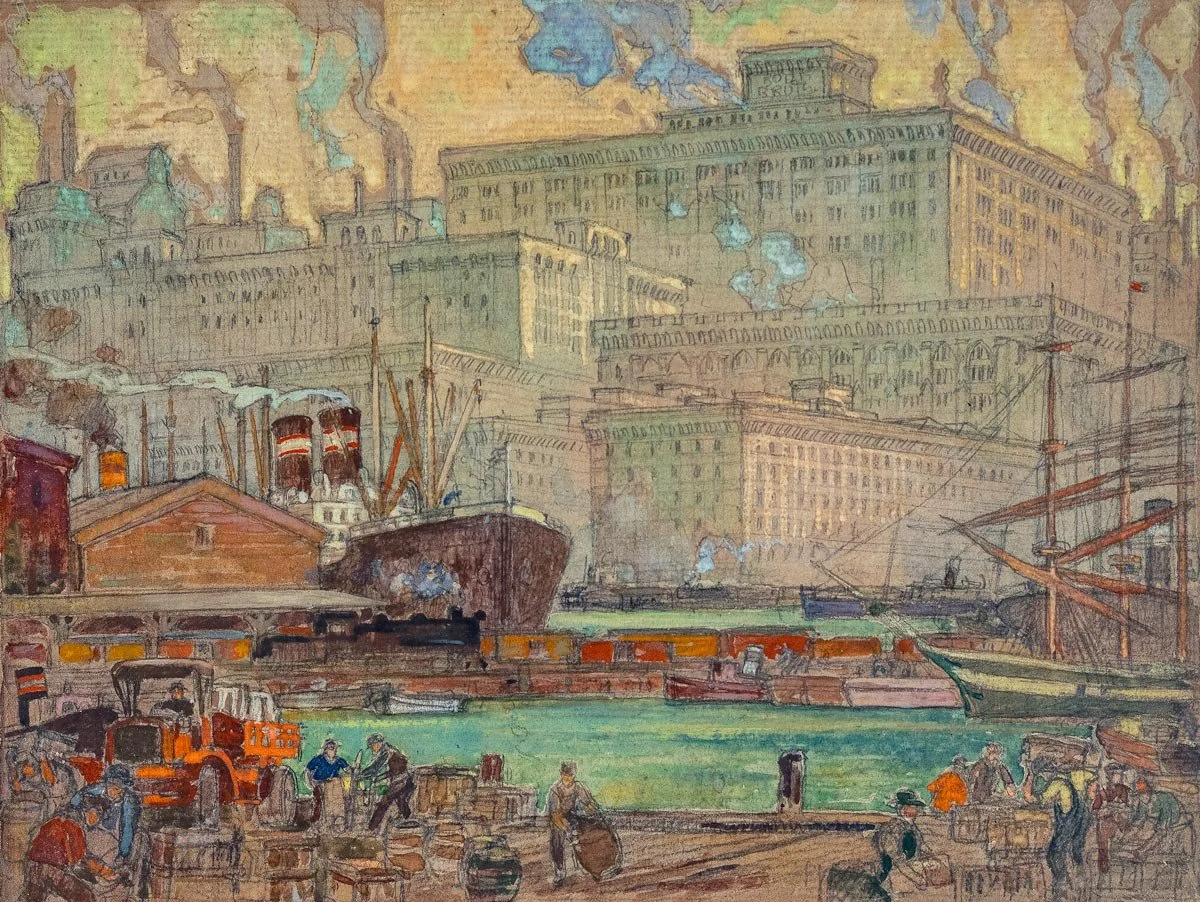
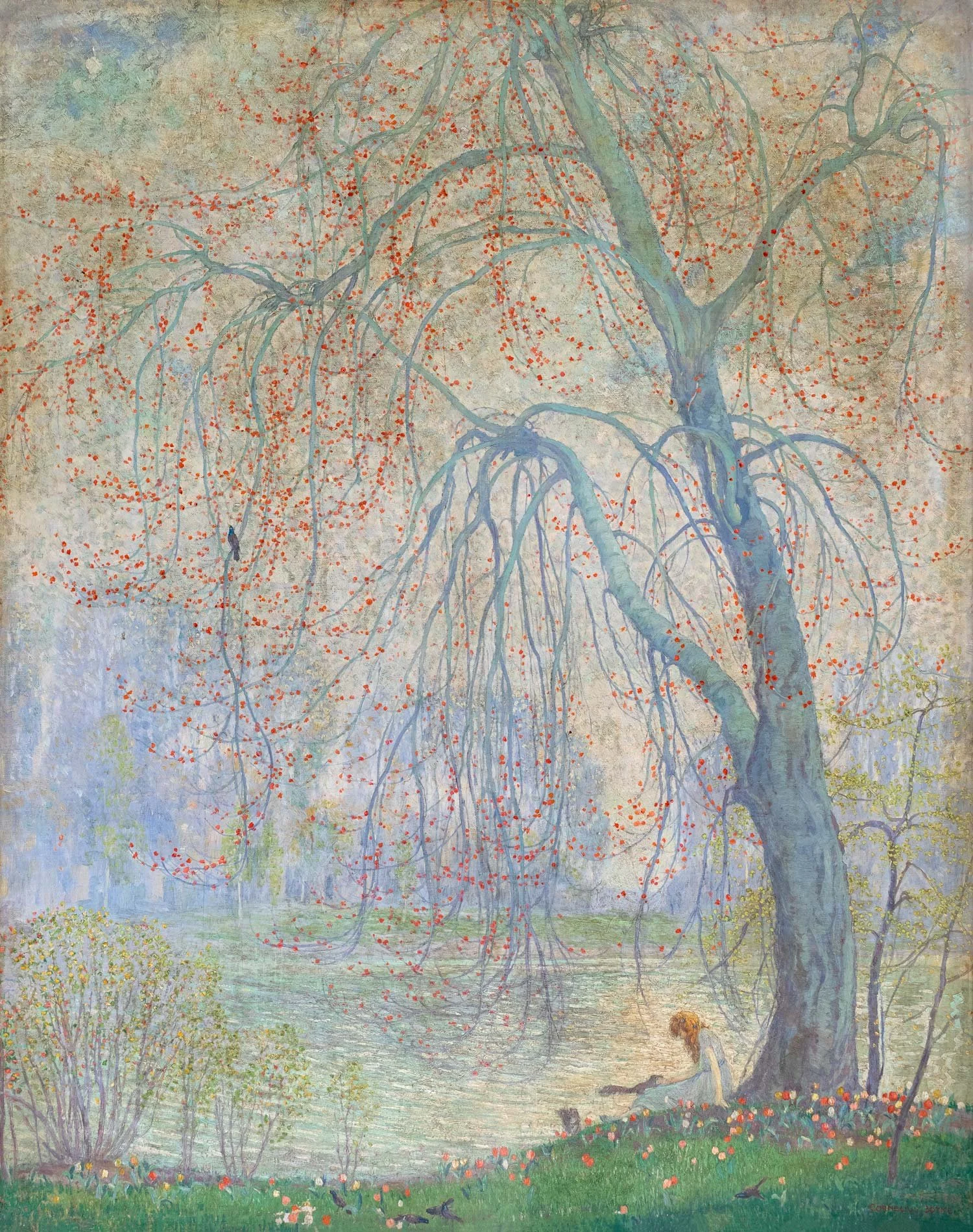
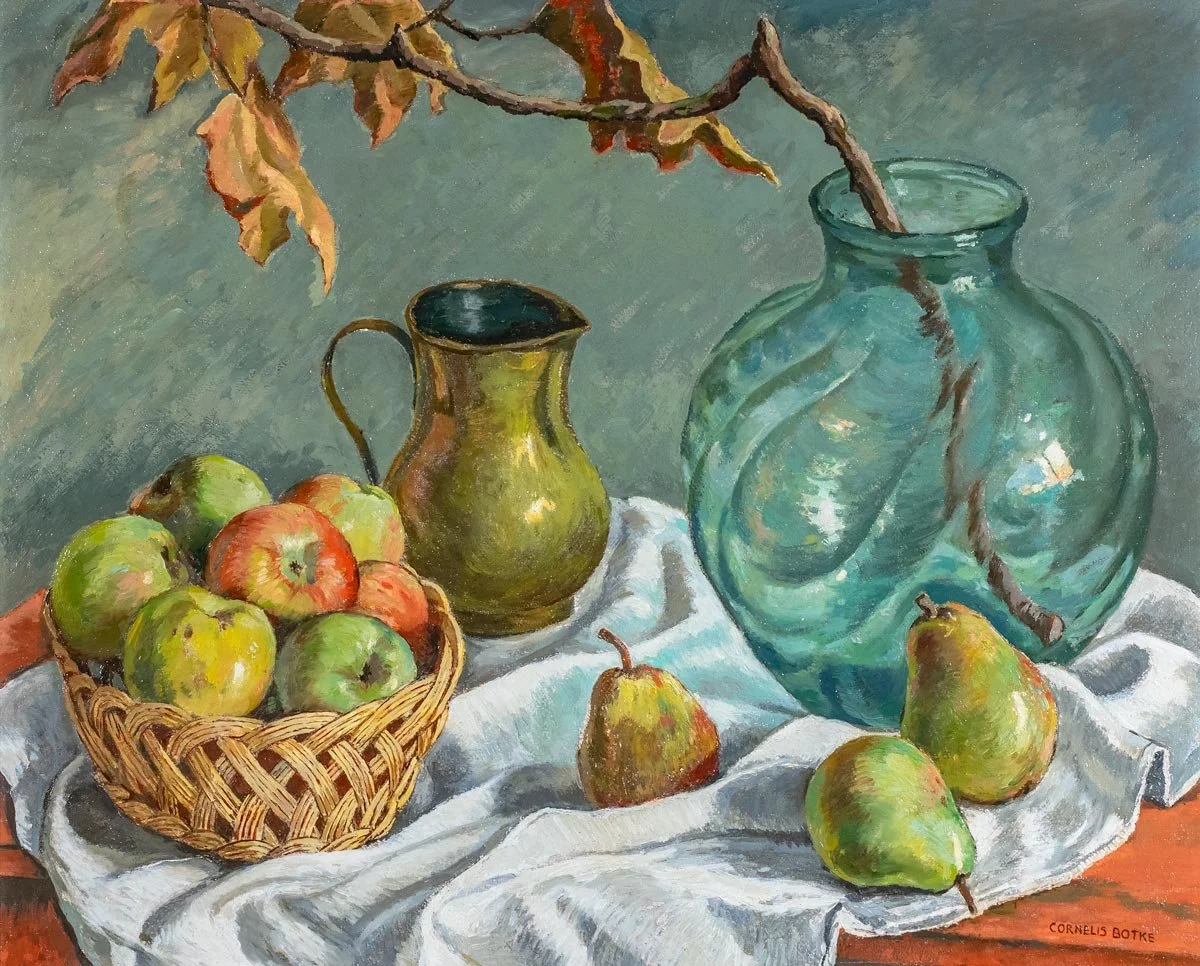
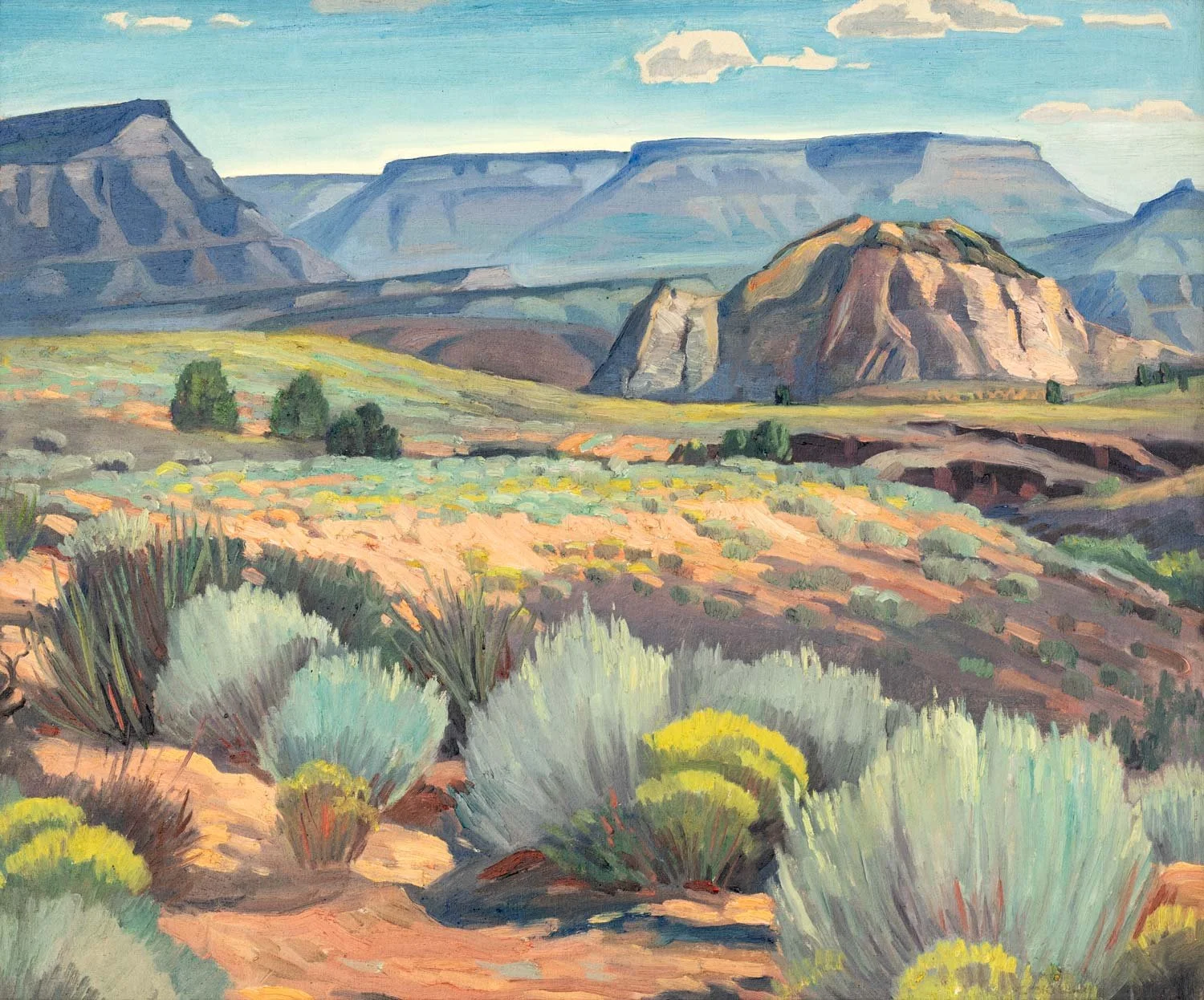
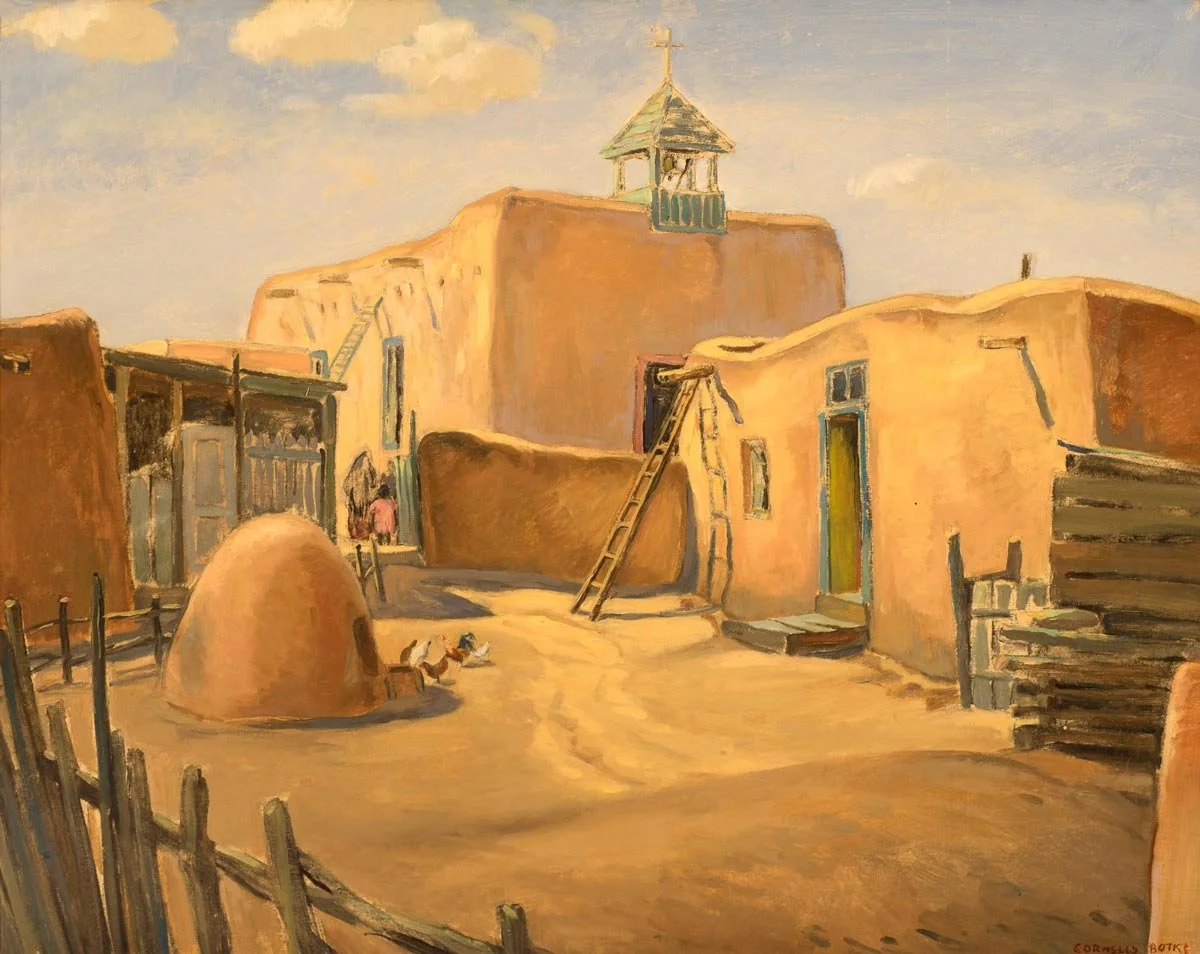
In 1931, Los Angeles Times art critic Arthur Millier described Cornelis as a “kind-eyed, methodical Dutchman…[who] painted the landscape in a charming, decorative manner, romantic and colorful.” Botke’s landscapes, seascapes, and still lifes were widely recognized for their bright, clear, and joyous color. His training in architectural drawing is evident in much of his work, though as another reviewer observed, “It takes a poet to build up from architectural rendering to such lyrical conceptions.”
Cornelis Botke died unexpectedly in 1954 from acute diabetes, but not before fulfilling his lifelong dream of becoming a painter. Gathered from private collections and the permanent collections of the Santa Paula Art Museum, City of Santa Paula, and Santa Paula Unified School District, this collection of 50 works is the largest exhibition of Cornelis’ paintings ever staged.
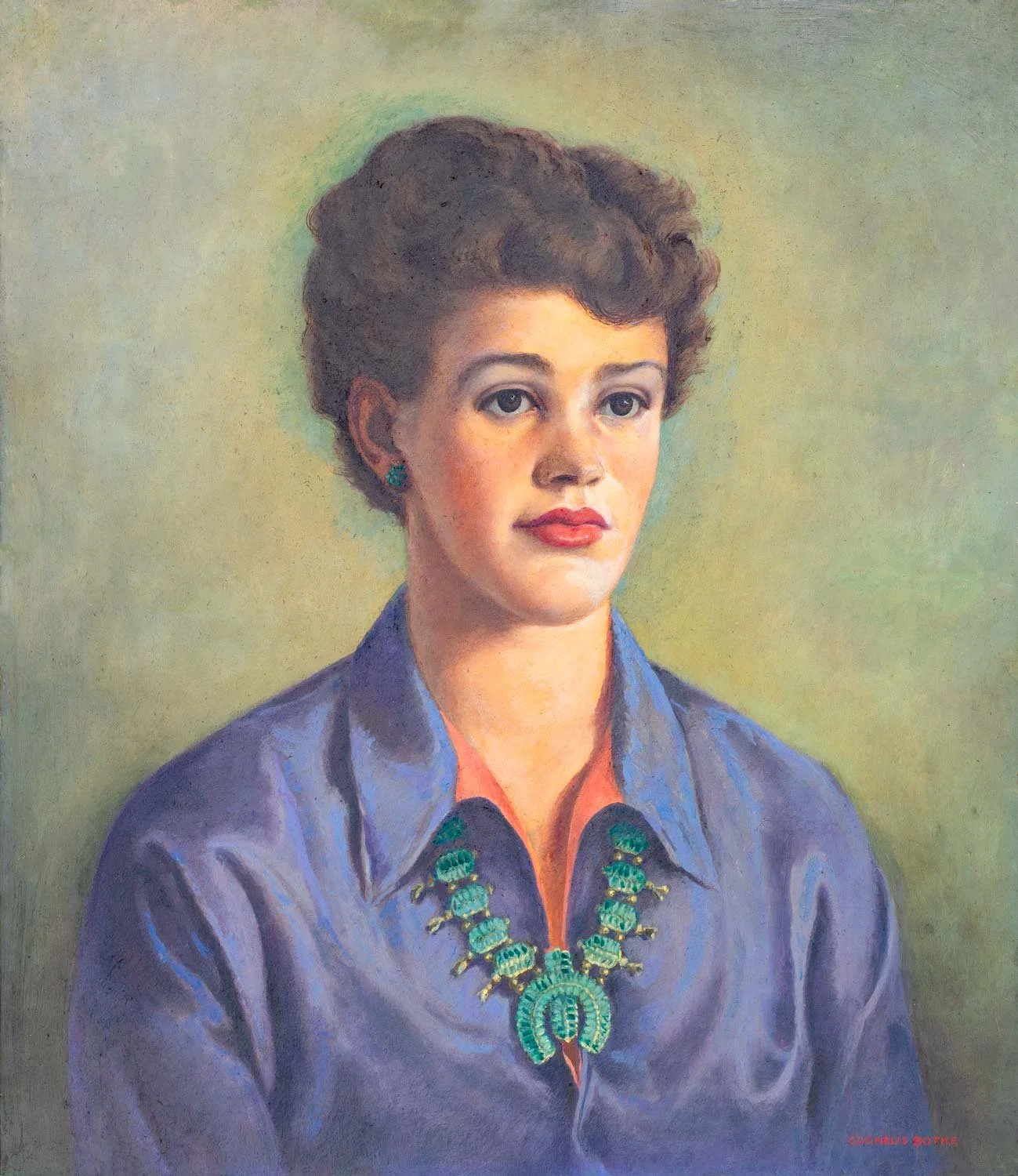
Below is a sampling of artworks featured in the exhibition. Click on any image to enlarge.
Pam Grau: A Woman's Painted Journey
May 16, 2026, to September 13, 2026
There are moments in an artist’s life when a shift occurs, quietly at first, almost unnoticed, and then, over time, becomes unmistakable. This exhibition reflects one of those shifts—a four-year evolution in how the artist sees, gathers, and creates.
Pam Grau’s journey as an artist began young. As the child of two modernist painters, art was her family’s religion. Museums were their church, and traveling the world to see masterpieces was their pilgrimage. It never occurred to Grau that she might be anything other than an artist. When someone once asked what she would have done otherwise, she was stunned. She didn’t know that was an option.
Grau studied art and art history, attended multiple art schools, and painted through every chapter of her life: as a young wife and mother, through divorce, through romance and betrayal. Her work carried what she could not say aloud. It was angry, raw, and determined. After her divorce and cancer in 2010, something shifted. The work became quieter, more meditative. She no longer felt the need to shout.
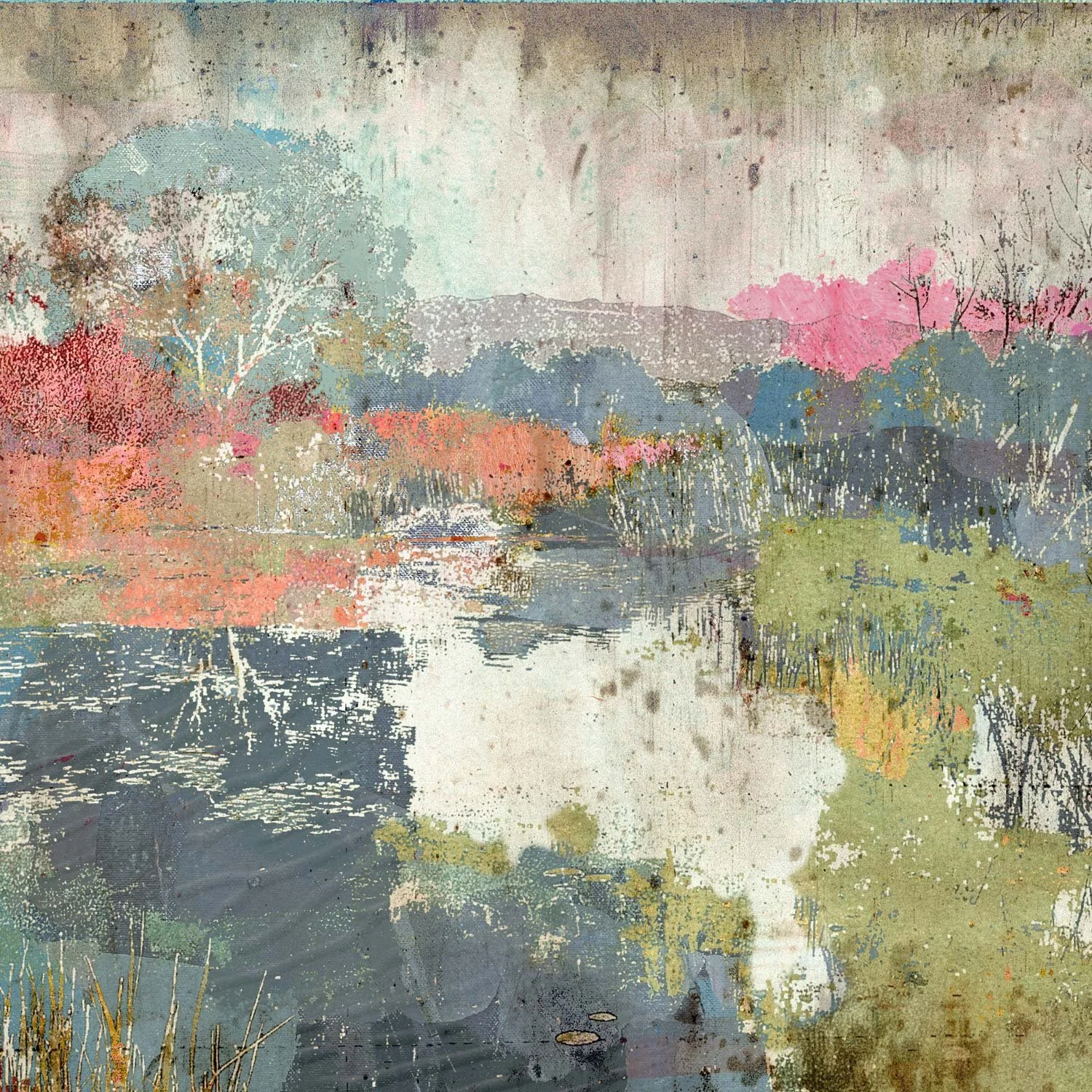
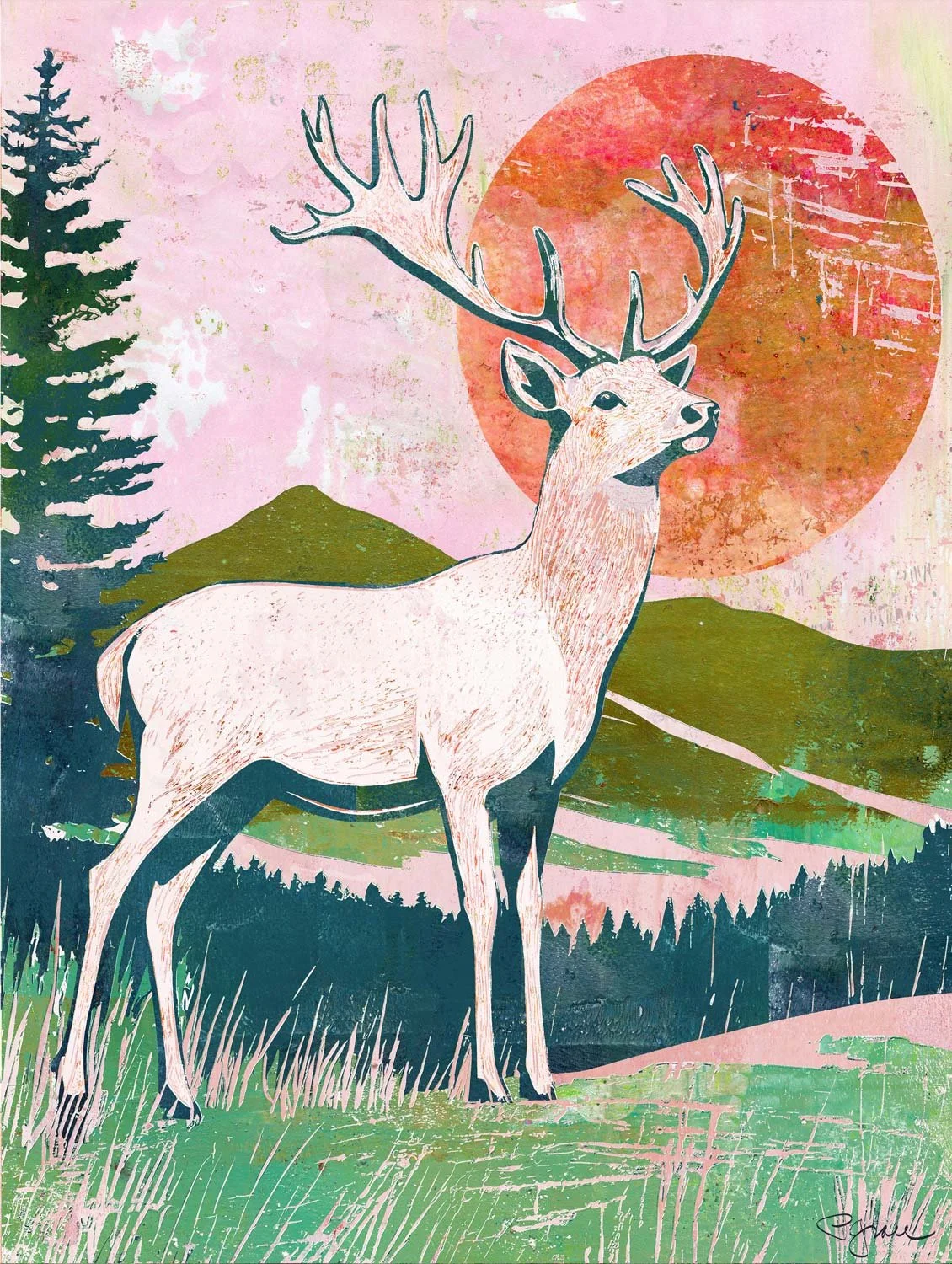
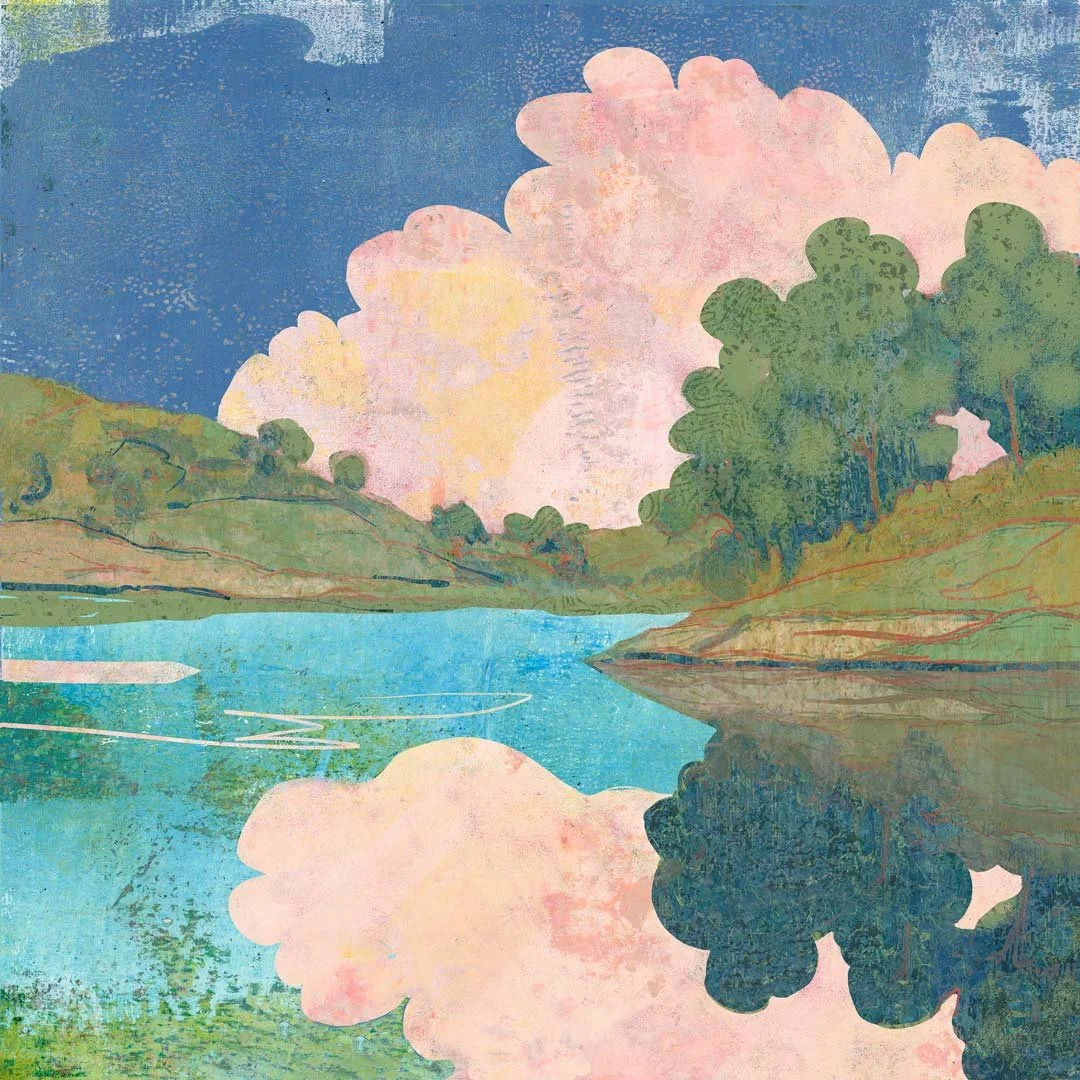
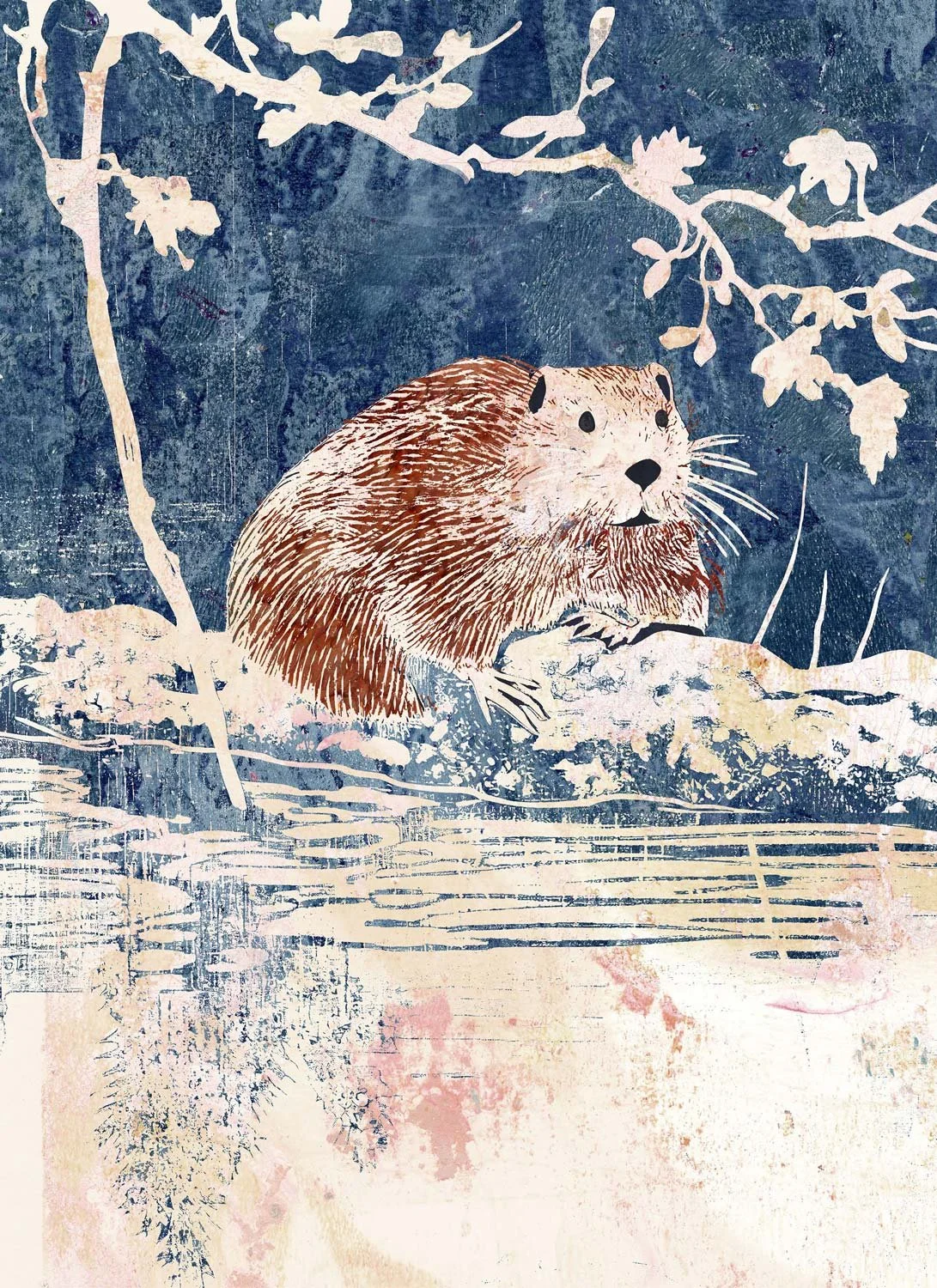
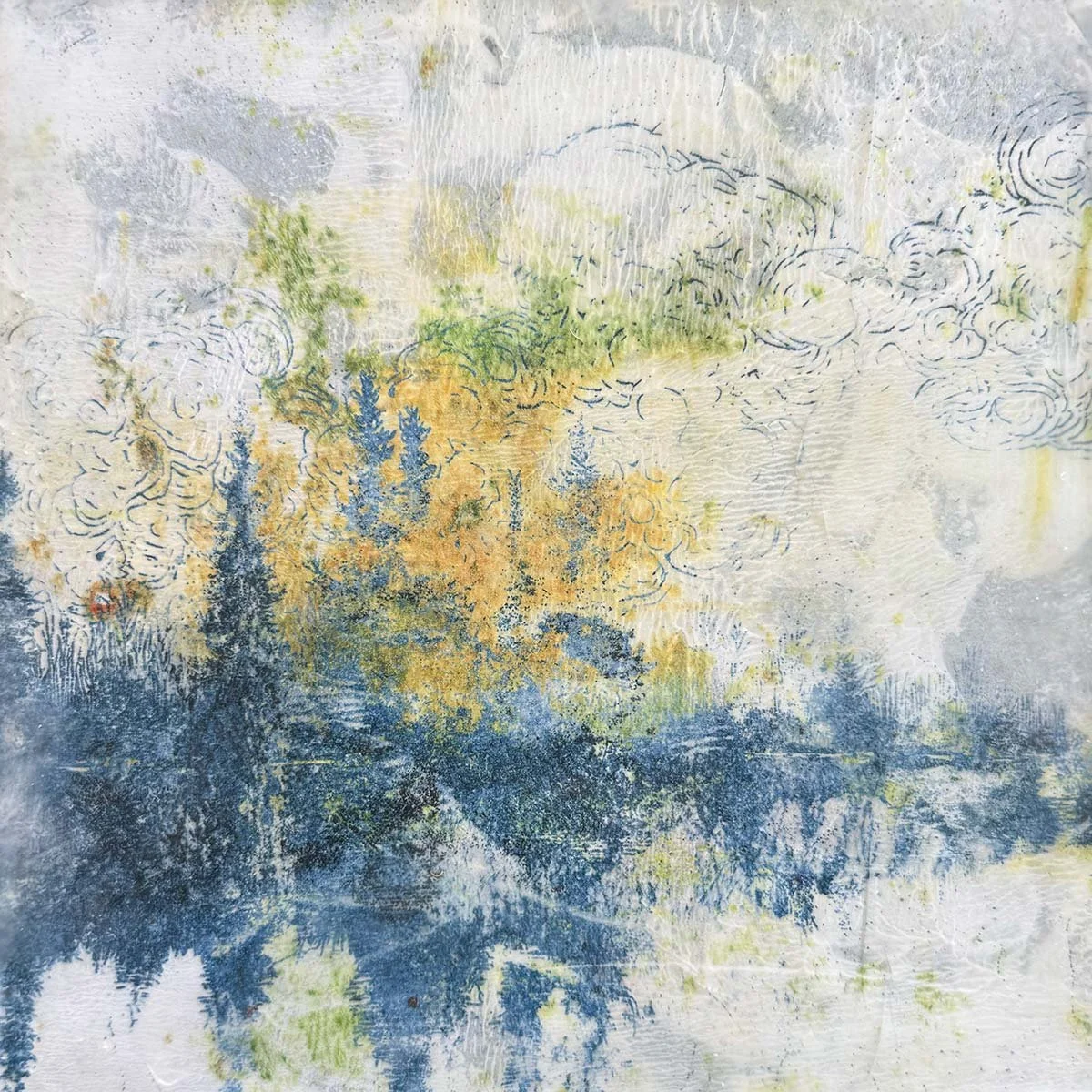
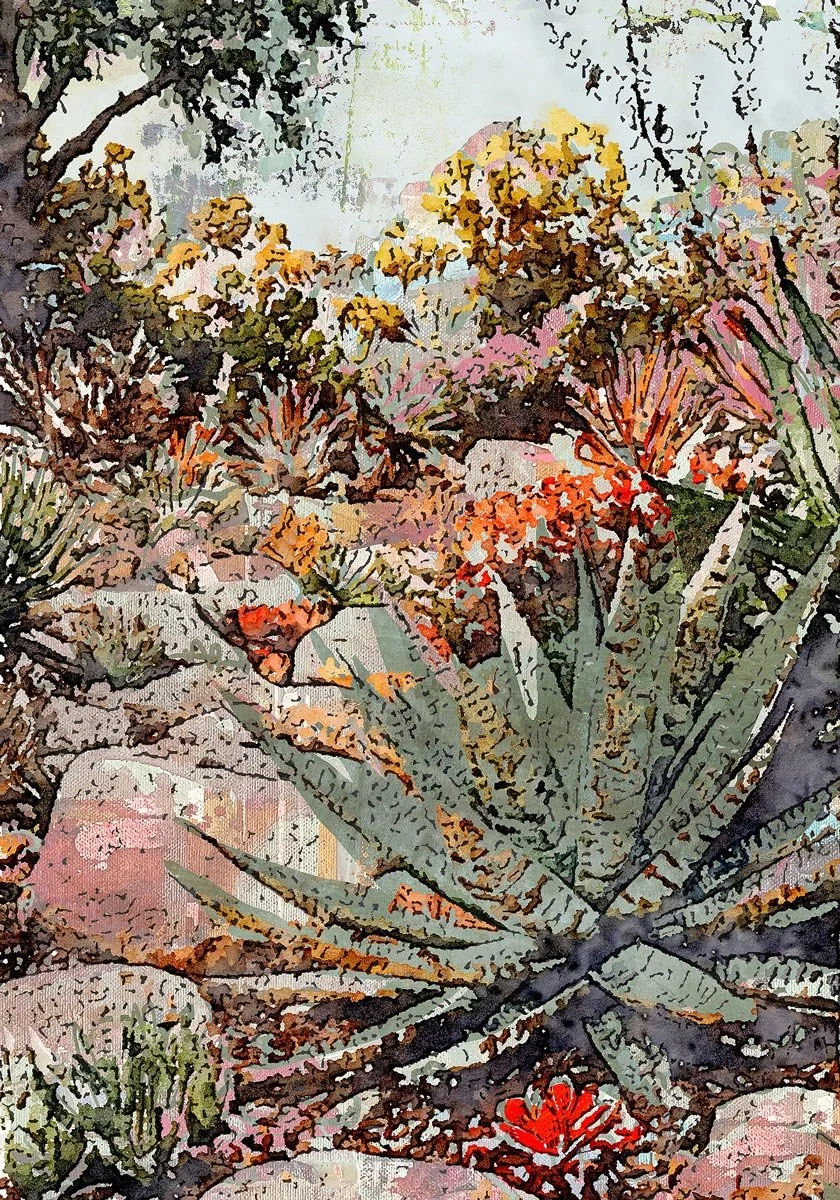
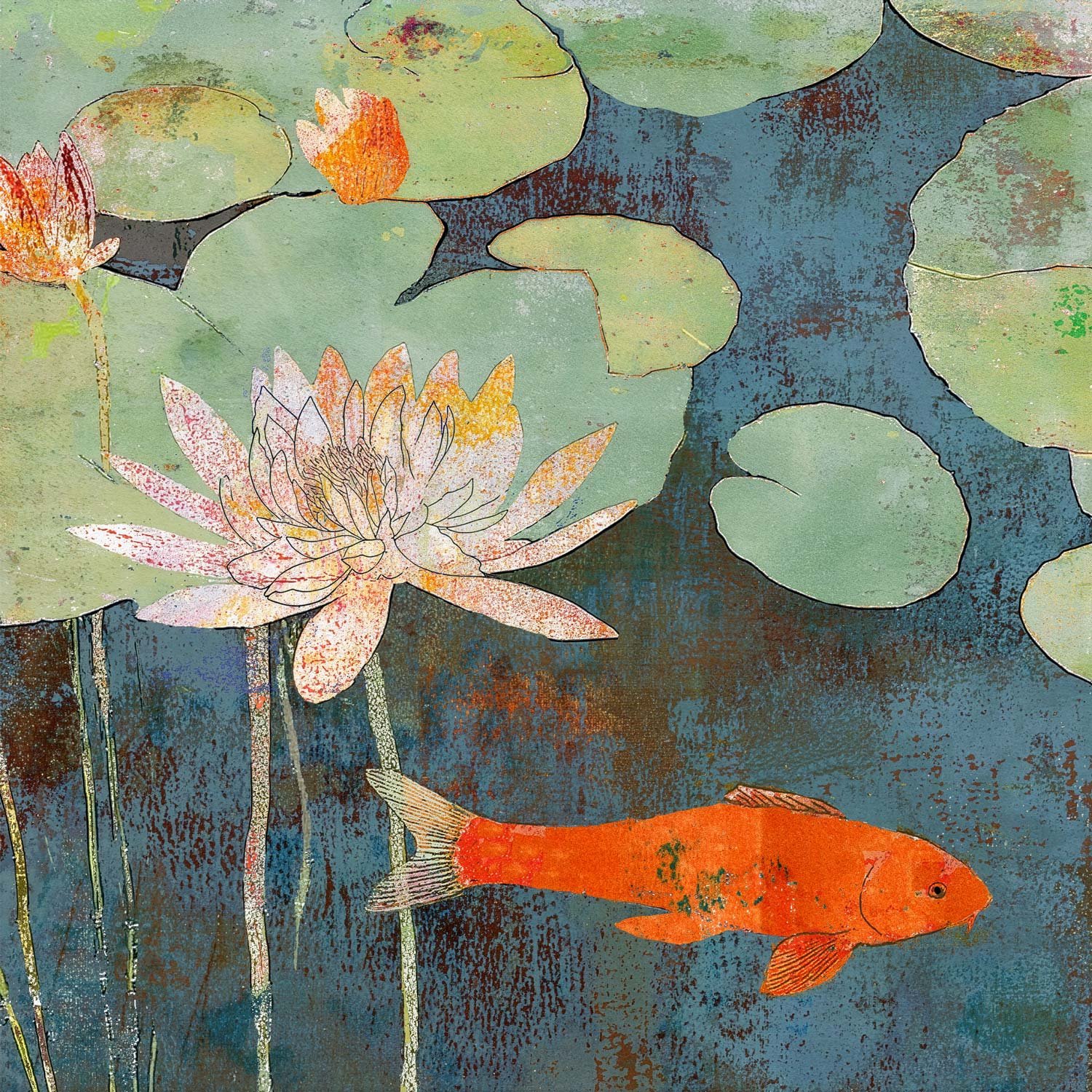
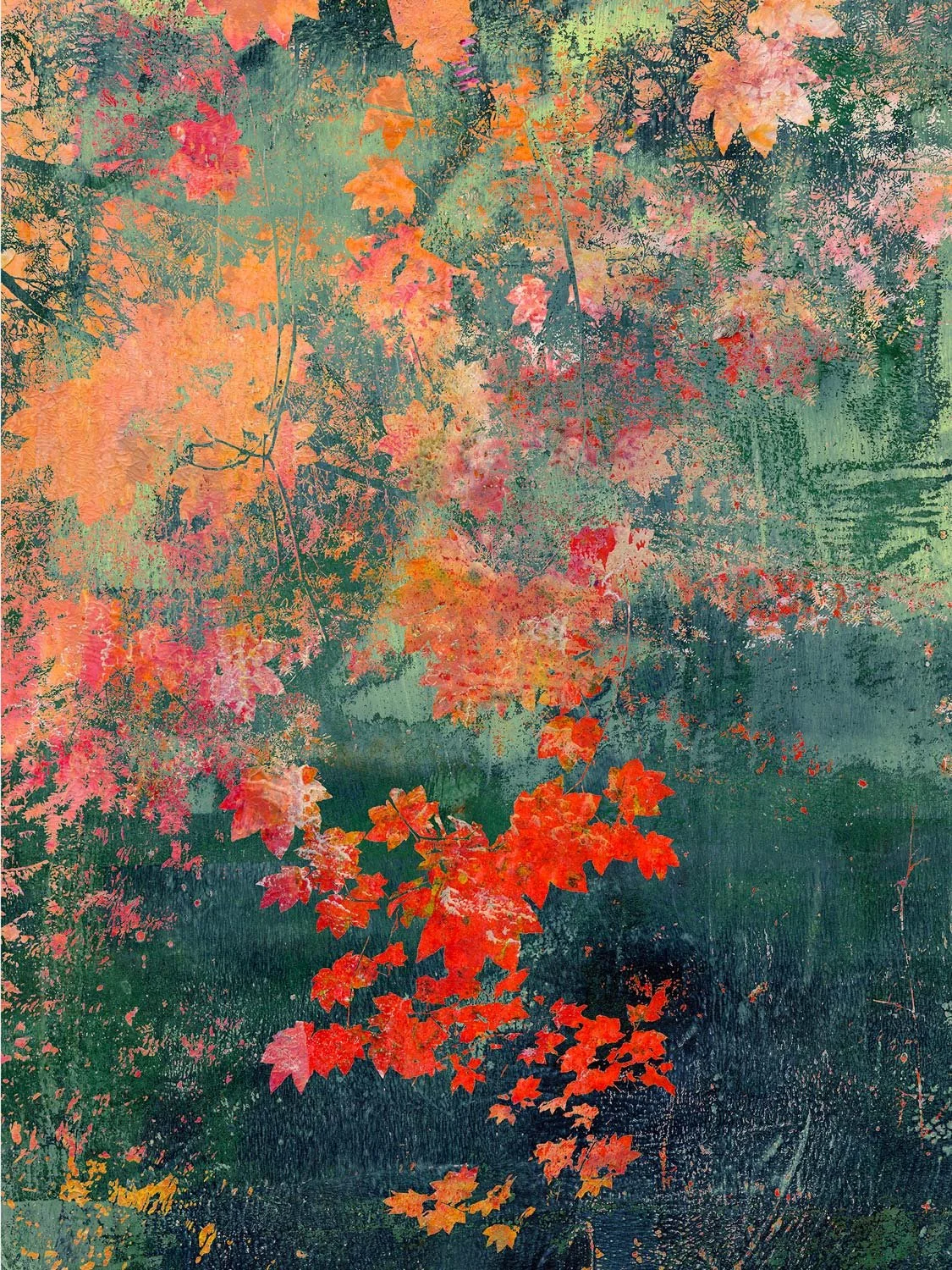
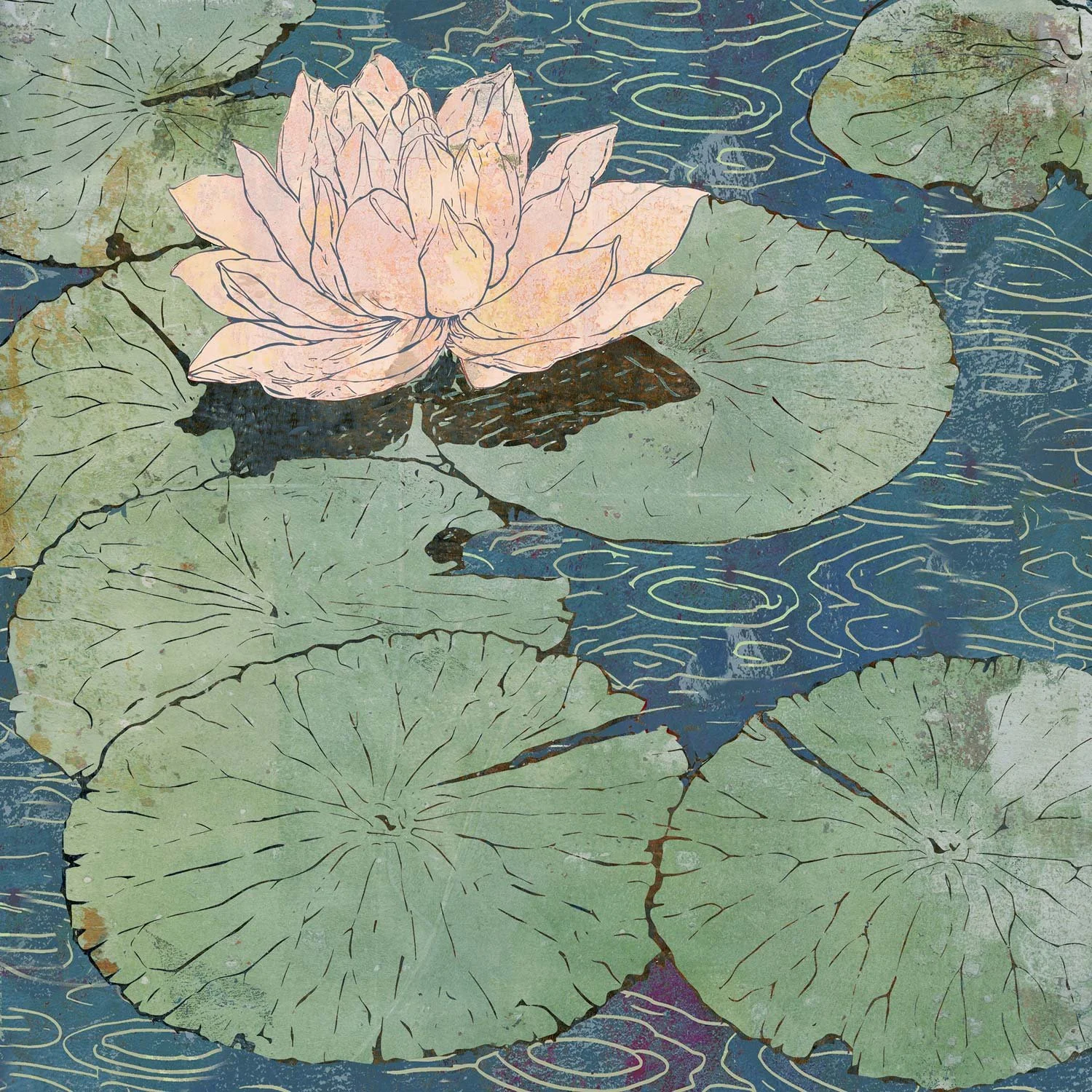
Five years ago, Grau’s body demanded a change. Years of working with toxic materials in poorly ventilated spaces finally caught up with her, and her practice shifted again. She found herself increasingly drawn to digital tools—not as a replacement, but as an extension. Now Grau works in a hybrid language of Procreate, Photoshop, collage, ink, gelli plate prints, and acrylic paint.
Her works are now rooted in exploration and observation of the natural world: long road trips, quiet walks, unexpected encounters with color, light, and form. After five decades, Grau’s practice continues to evolve. The work from this chapter of her life is joyful—a body of work shaped by love, adaptation, sustainability, and flow.